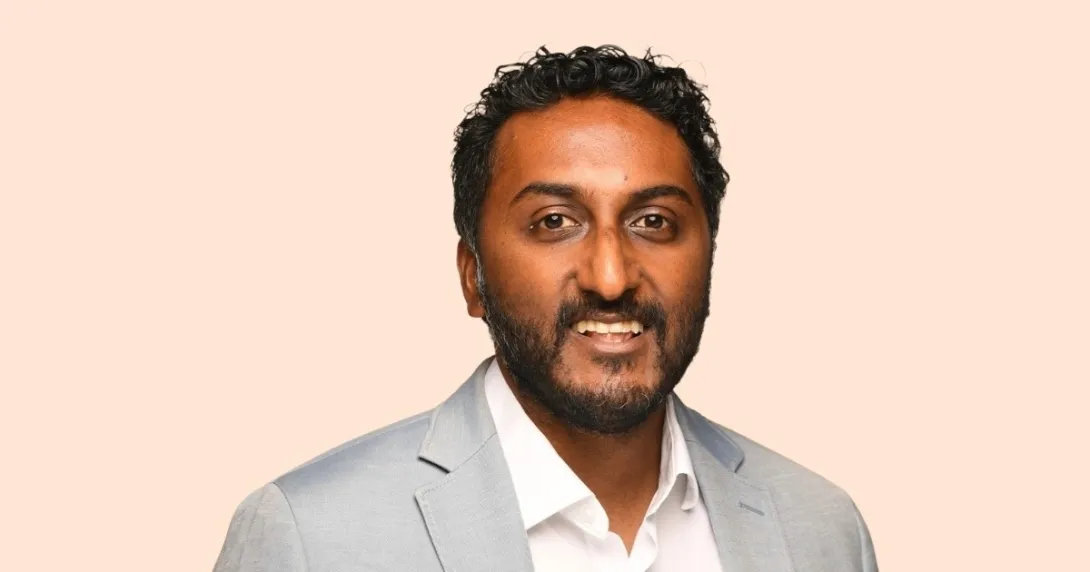
Chethan Sarabu, director of clinical innovation for the health tech hub at Cornell Tech
Photo courtesy of Cornell Tech
Chethan Sarabu, director of clinical innovation for the health tech hub at Cornell Tech, tells MobiHealthNews about his upcoming talk at the 2026 HIMSS Global Health Conference & Exhibition in Las Vegas in March, where he'll discuss how integrating AI presents both opportunities and risks for sustainability in healthcare.
MobiHealthNews: Can you tell our readers about your talk?
Chethan Sarabu: Our talk is focused on understanding where the environmental footprint of AI comes from and help those across the spectrum – from developers, vendors and health systems – understand what levers they have to make sure that the AI that is in place is as environmentally friendly as possible, balancing the benefits of the technology while minimizing its harms.
MHN: Much of the climate conversation in healthcare centers on how extreme weather and disasters will affect health systems. You're turning that lens inward, focusing on healthcare's carbon footprint. Why is it critical for health systems to examine their impact on the environment?
Sarabu: It's important for health systems to understand their own carbon footprint because of the principle of first, "do no harm," which is so critical to healthcare. When we think about the greatest health risk that we all face, it is the health threats of climate change. The U.S. healthcare system is responsible for 25% of global healthcare emissions, despite taking care of only 4% of the world's population.
As we roll out AI, there is a potential to do things more efficiently and reduce our environmental footprint, but it's also possible that it worsens, and the decisions that healthcare and technology leaders make today will shape the system we have for decades, so it is important that we do things right in this unique window of time.
MHN: What do you hope attendees learn from the discussion?
Sarabu: We hope that attendees better understand the broader links between climate and health, with a specific focus on the environmental footprint of AI in healthcare. We also want them to learn where those emissions come from and realize that there are many levers that can be pulled that can significantly alter the overall impact.
Chethan Sarabu's session "Will Artificial Intelligence Help or Hinder Advancing Sustainable Healthcare?" is scheduled for Tuesday, March 10, from 11:30 a.m. - 12:30 p.m., in Lido 3101A I Level 3 at the Venetian at HIMSS26 in Las Vegas.