Clinical and business intelligence
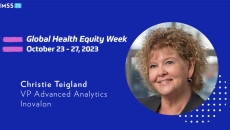
Vice president of research science and advanced analytics at Inovalon Christie Teigland describes HEI scores, what will be measured within plans to determine their efforts on improving health equity and HEI's effect on health plans.

Helen Waters, EVP and COO at Meditech, explains how the electronic health vendor uses artificial intelligence, its partnership with Google and the system's requirements to implement AI in healthcare.

Ryan Helon, VP of investment funds at Rev1 Ventures, discusses how the firm plans to invest $30 million in growing life sciences startups within the central Ohio region. He describes the resources it and its partners provide to companies.

Hans Hioyos, field CISO of Prophecy, Americas, discusses how the cybersecurity forum helped him advance his learning of the various layers of security and expand his network as a cybersecurity specialist in the medical field.

The employer health tech company and healthcare services administrator will combine to create an extensive employer-focused health platform.

Companies will have access to real-world patient data for clinical decision-making and research support, including hypothesis testing and cohort analysis.
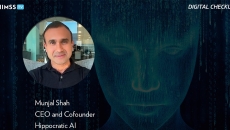
Munjal Shah, CEO and cofounder of Hippocratic AI, shares the difference between his company's large language model and Google and ChatGPT's LLMs – and the benefit of partnering with health systems while developing the model to ensure efficacy.

Dr. John B. Halamka, president of Mayo Clinic Platform, discusses AI's "dizzying" evolution, Mayo’s strategy for approaching predictive AI versus generative AI, and its partnership with Google that practices agile development of AI.

HIMSS23
HIMSS23 attendees discuss the conference post-pandemic, how attending helps explore new pathways for their company, and what technologies they look forward to learning about most on the exhibit floor.

Dr. Payel Das, principal research staff member and manager in the Trusted AI department of IBM, and an IBM master inventor, relays how using large language models that fill gaps in datasets may improve drug discovery in the future.