Photo: Vithun Khamsong/EyeEm via Getty Images
Monash University researchers have invented AI-integrated abdominal patches that allow pregnant individuals to monitor their babies' movements at home.
WHAT IT'S ABOUT
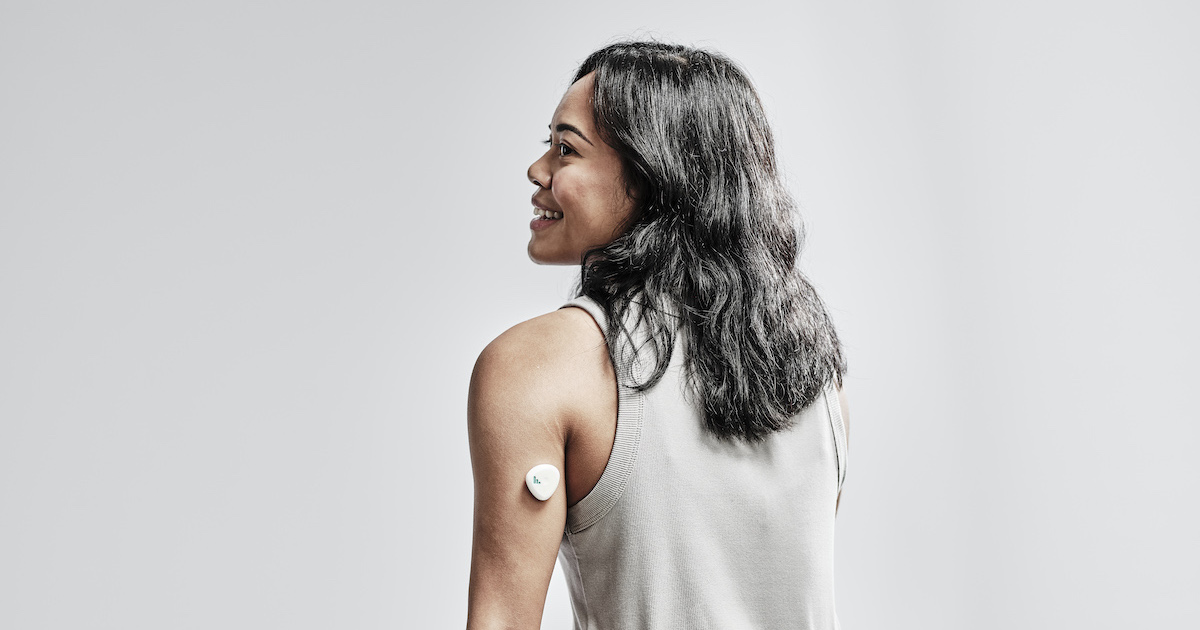
The pair of patches, about 10-14 cm² thin each, can detect foetal movements, such as rolling, stretching and kicking.
A machine learning system then utilises the distinct strain patterns on the abdominal surface that these movements cause to detect when a movement occurs while cancelling maternal movements.
The sensors were first tested on artificial 2D and 3D abdominal models to assess their ability to detect simulated kicks. Then, it was tested in a clinical trial involving 59 pregnant people at Monash Health, where it detected binary foetal movements with over 90% accuracy, based on findings published in Science Advances.
WHY IT MATTERS
There aren't many easy, comfortable options for continuously self-monitoring foetal movement outside health settings, said one of the study leads, Dr Vinayak Smith, associate professor at Monash's Department of Obstetrics and Gynaecology. Tools remain limited while pregnant individuals still self-count.
"Our soft wearable [device] is designed to change that," he said in a statement. "We've built a lightweight and flexible device that pregnant individuals can comfortably wear for long periods without disrupting daily life."
This integration of sensor data with AI enables the patches to capture a "wider range of foetal movements than existing wearable concepts while staying compact and comfortable," explained another study lead, Dr Fae Marzbanrad, who is also head of the Biomedical Signal Processing Research Lab at Monash Engineering.
A/Prof Smith noted the potential of their AI patch to help parents become more informed and enable earlier detection of concerning changes in their babies' movements. "Reduced foetal movement is one of the most common reasons patients present to [the] hospital, yet we rely heavily on self-reporting."
Still, the research team emphasised that the patches are not intended to replace clinical assessments, but could complement standard care.
They are now preparing for larger clinical trials in out-of-hospital settings and exploring pathways to obtain regulatory approval for the use of the patches in home or community settings.
The project was backed by a National Health and Medical Research Council grant in 2020.
THE LARGER TREND
In recent years, investment poured in on similar remote solutions for monitoring foetal conditions. Kali Healthcare, a startup based in Melbourne, which also develops a patch-based system for monitoring foetal heart rate, received pre-seed funding from the University of Melbourne in 2023. Baymatob secured a $3 million investment in 2022 to complete the in-human clinical trial of its AI-powered labour monitoring solution.
Public health services have also tried out pregnancy monitoring solutions, looking to incorporate them as a new standard of care. In 2023, Gold Coast Hospital and Health Service announced its plan to try out and implement ASX-listed HeraMED's remote pregnancy monitoring platform, while two years earlier, in 2021, Western Australia started rolling out a foetal record review system across Country Health Service maternity sites.
Meanwhile, another Monash University project developed a neck patch that also integrates nanotechnology and AI to measure speech, neck movement, and touch, as well as breathing and heart rates, enabling remote health monitoring.