medical devices
HIMSS25
Gunnar Trommer of BCG X and Erik Adams of BCG give highlights of their upcoming HIMSS25 panel on the capital needed to develop and commercialize AI-powered medical devices and on completing regulatory milestones like 510(k) clearance.
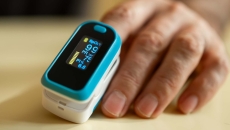
The new draft guidance aims to help improve the accuracy of pulse oximeters in patients across the range of skin pigmentations.

The guidance recommends a PCCP describe the planned AI-DSF modifications, the associated methodology to develop, validate and implement them, and assess the impact of the changes.
Dr. Jay Anders, chief medical officer at Medicomp Systems, says it is necessary to slow down AI implementation due to a lack of transparency, AI not being trained on real-patient data and the potential implications of synthetic data use.
Steen Strand, CEO of Emteq Labs, discusses the company's launch of Sense, emotion-sensing eyewear that collects real-world data on a wearer's facial expressions and its potential use for healthcare data collection.
HIMSS24
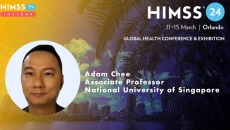
Adam Chee, associate professor, National University of Singapore, discusses cybersecurity challenges facing healthcare organizations, including the inability to patch medical devices' vulnerabilities without their manufacturers' approval.

HIMSS23
Michelle Ramim, assistant professor of health informatics at Nova Southeastern University, describes how the university requires seminars on cybersecurity and wearable medical device attacks for medical and dental students.
HIMSS23
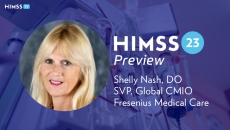
Dr. Shelly Nash, senior vice president and global chief medical information officer at Fresenius Medical Care, discusses the HIMSS23 panel she'll lead on training end-stage kidney disease patients to perform home dialysis using technology.

James Hury, the Translational Research Institute for Space Health's deputy director and chief innovation officer explains the ways space exploration companies work with healthcare innovators to examine astronaut health and advance healthcare on the ground.