Public Policy

In the best case scenario, hospitals “are getting 20% less than the lowest workman’s comp fee schedule in the country,” says Zachary Schultz of EnableComp.

HIMSS Media editors discuss 2025 healthcare trends, including a shift toward mature AI use cases, scrutiny about ROI and regulation gaps as executives wrestle with choosing vendor partners and implementing AI tools.
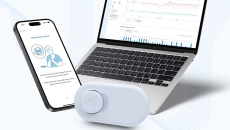
AeviceMD says it has yet to conduct pilot deployments, which would focus on incorporating respiratory monitoring into outpatient asthma management pathways.
Executives pointed to faster-than-expected AI adoption in healthcare, shifting regulatory signals and growing demand for AI tools that deliver measurable outcomes.

Dr. Doug Fridsma, former ONC chief science officer and current CMIO at Health Universe, discusses the challenges of AI in healthcare and balancing innovation with privacy, safety and regulation.

The executive order says it revokes attempts to paralyze the AI industry and establishes an AI Litigation Task Force to challenge state AI laws inconsistent with national policy.
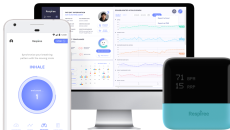
Respiree is also preparing to file for regulatory approval for its AI tool in the United States and across Australia, New Zealand, and Asia.

The goal is to make artificial intelligence available to the federal workforce and to integrate it across internal operations, research and public health.

Charles N. Kahn III, president and CEO of the Federation of American Hospitals and cofounder of Future of Health, discusses inconsistent and diminishing federal data collection and the urgent need to rebuild trust in the public health sector.

ACCESS is a decade-long initiative to expand tech-enabled care and outcome-based payments for Medicare patients with obesity, diabetes, chronic pain and depression.